

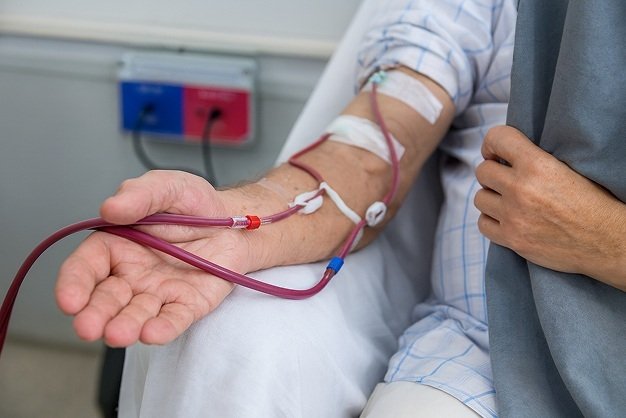
An arteriovenous (AV) fistula is commonly created in the arm to provide reliable blood access for haemodialysis. Although it is an important part of kidney failure treatment, some patients may notice changes in the hand and fingers after fistula surgery. These changes can include coldness, numbness, tingling, pain, swelling, or weakness.
A fistula in hand or arm can sometimes affect blood circulation to the fingers because the surgically created connection changes how blood flows through nearby blood vessels. While some mild symptoms may occur during recovery, persistent or severe changes should be evaluated by a vascular specialist to rule out complications.
What Is an AV Fistula?
An AV fistula is a surgically created connection between an artery and a vein, usually in the forearm or upper arm.
The connection allows blood to flow from the artery into the vein. Over time, the vein becomes larger and stronger, making it suitable for repeated needle insertion during haemodialysis.
AV fistulas are generally preferred for suitable patients requiring long-term dialysis because they often have better durability and lower infection risks than central venous catheters.
However, creating this connection changes the normal blood flow pattern in the arm. In some patients, this can affect circulation to the hand.
Why Can an AV Fistula Cause Changes in the Hand?
There are several reasons why patients may experience changes in their hands and fingers after fistula surgery.
1. Reduced Blood Flow to the Hand
One important complication is dialysis access-associated steal syndrome, commonly called steal syndrome.
An AV fistula creates a pathway through which blood flows from an artery into a vein. In some patients, a significant amount of blood may pass through the fistula, reducing the blood supply reaching the hand.
This can cause symptoms such as:
-
Cold fingers or hands.
-
Pain in the hand, particularly during dialysis.
-
Numbness or tingling.
-
Weakness in the fingers.
-
Pale or bluish skin.
Mild changes in blood flow do not always indicate a serious complication. However, persistent pain, coldness, or weakness requires medical assessment.
2. Nerve Irritation or Injury
Nerves in the arm control sensation and movement in the hand and fingers. During or after fistula surgery, nearby nerves may become irritated or affected.
Patients may experience:
-
Tingling sensations.
-
Numbness in certain fingers.
-
Burning discomfort.
-
Reduced grip strength.
-
Difficulty performing fine movements.
Nerve-related symptoms can also have causes unrelated to fistula surgery, such as diabetes or nerve compression. A clinical examination helps identify the underlying problem.
3. Swelling Around the Hand and Fingers
Some patients experience swelling in the hand or fingers after AV fistula creation.
Possible causes include changes in venous drainage, inflammation after surgery, or narrowing of veins that carry blood away from the arm.
In certain patients, central venous stenosis can contribute to significant swelling because blood cannot drain efficiently through the affected veins.
Persistent or increasing swelling should not be ignored, especially when accompanied by pain, skin changes, or visible enlargement of the arm.
4. Changes in Blood Pressure and Circulation
The creation of an AV fistula changes the circulation pattern in the arm. This may influence blood pressure within the arteries supplying the hand.
Patients with pre-existing arterial disease, diabetes, or other circulation problems may have a greater risk of developing hand-related symptoms after fistula surgery.
Doctors may evaluate arterial blood flow, fistula function, and the condition of nearby blood vessels to understand the cause.
Common Symptoms of AV Fistula-Related Hand Problems
Recognising symptoms early can help patients receive appropriate treatment.
| Symptom | Possible explanation |
|---|---|
| Cold fingers | Reduced blood supply to the hand |
| Numbness or tingling | Nerve irritation or reduced circulation |
| Hand pain | Possible steal syndrome or another vascular problem |
| Finger weakness | Nerve or circulation-related problem |
| Hand swelling | Venous drainage problems or narrowing |
| Pale or bluish fingers | Possible inadequate arterial blood supply |
These symptoms do not confirm a specific diagnosis. A vascular specialist needs to assess the patient before determining the cause.
What Is Dialysis Access-Associated Steal Syndrome?
Dialysis access-associated steal syndrome occurs when blood flow through an AV fistula or graft reduces the blood supply reaching the hand enough to cause symptoms.
The severity can vary.
Some patients experience mild coldness or discomfort, while others may develop severe pain, weakness, or tissue damage.
Symptoms may become more noticeable during haemodialysis because blood pressure and circulation can change during the session.
Severe cases can threaten the health of the fingers or hand and require urgent treatment.
How Are AV Fistula-Related Hand Problems Diagnosed?
A vascular specialist may perform several assessments to determine whether the symptoms are related to the fistula.
1. Physical Examination
The doctor checks the temperature, colour, sensation, movement, and circulation of the affected hand.
The specialist may also examine the fistula for its vibration, known as a thrill, and assess pulses in the wrist and hand.
2. Duplex Doppler Ultrasound
Doppler ultrasound helps evaluate blood flow through the fistula and nearby arteries.
It can help identify abnormal blood flow patterns, narrowing, or other vascular problems.
3. Digital Blood Pressure Measurement
In selected cases, doctors measure blood pressure in the fingers to assess whether sufficient blood is reaching the hand.
These measurements may help identify reduced digital circulation.
4. Additional Vascular Investigations
Depending on the findings, additional imaging or vascular investigations may be recommended to examine arterial narrowing, venous obstruction, or fistula-related complications.
Treatment Options for AV Fistula-Related Hand Problems
Treatment depends on the cause and severity of the symptoms. The goal is to improve blood circulation while preserving the dialysis access whenever possible.
1. Medical Monitoring
Patients with mild symptoms may require regular monitoring and assessment of fistula function.
The doctor may recommend follow-up examinations and circulation tests to check whether symptoms are progressing.
2. Fistula Flow Reduction
If excessive blood flow through the fistula is contributing to reduced hand circulation, a procedure to reduce fistula flow may be considered.
The exact technique depends on the patient’s vascular anatomy and dialysis requirements.
3. Angioplasty
If narrowing in an artery or vein is affecting circulation, angioplasty may be considered in selected cases.
The procedure uses a small balloon to widen the narrowed section of a blood vessel.
4. Surgical Correction
Some patients with significant steal syndrome may require surgery to improve blood flow to the hand.
Depending on the clinical findings, procedures may include:
-
Revision using distal inflow (RUDI).
-
Distal revascularisation with interval ligation (DRIL).
-
Proximalisation of arterial inflow (PAI).
-
Fistula banding in selected cases.
The appropriate procedure depends on the underlying problem, fistula flow, and the condition of the patient’s arteries.
In severe cases where the hand is threatened and other options are unsuitable, fistula ligation may be necessary. This closes the access and therefore requires planning for alternative dialysis access.
How Can Patients Protect Their Hands After Fistula Surgery?
Following the recommended care instructions can help patients monitor their fistula and identify complications early.
Check the fistula daily: Patients should learn to feel the thrill over the fistula. A sudden reduction or disappearance requires immediate contact with the dialysis or vascular team.
Avoid unnecessary pressure: Do not allow blood pressure measurements, injections, or blood draws on the fistula arm unless specifically directed by the treating team.
Watch for circulation changes: Pay attention to cold fingers, increasing pain, numbness, weakness, or unusual skin colour changes.
Follow dialysis instructions: Inform the dialysis team if hand discomfort becomes worse during treatment.
Attend follow-up appointments: Regular assessments help the medical team monitor fistula function and circulation in the hand.
Do not massage the fistula or attempt to adjust its blood flow yourself.
When Should You Seek Medical Attention?
Patients should contact their vascular or dialysis team promptly if they notice persistent hand pain, swelling, numbness, tingling, or changes in finger temperature.
Seek urgent medical evaluation if the hand or fingers become suddenly cold, pale, blue, severely painful, or weak. These symptoms may indicate significantly reduced blood supply.
Do not wait for the next scheduled dialysis session if you suspect a serious circulation problem.
Conclusion
An AV fistula is an important access point for haemodialysis, but changes in blood flow after surgery can sometimes affect the hand and fingers. Coldness, pain, numbness, swelling, and weakness may indicate complications such as steal syndrome, nerve irritation, or problems with venous drainage.
A fistula in hand should be monitored regularly, and unusual symptoms should be evaluated rather than ignored. Early diagnosis can help identify the underlying issue and determine whether monitoring, medical management, or a vascular procedure is necessary.
Dr Sumit Kapadia can be considered for vascular evaluation and guidance based on the patient’s symptoms, fistula function, and clinical findings.
Frequently Asked Questions
1. Can an AV fistula make the fingers cold?
Yes. Reduced blood supply to the hand, sometimes associated with dialysis access-associated steal syndrome, can cause cold fingers. Persistent or severe coldness needs medical assessment.
2. Why does my hand hurt after fistula surgery?
Hand pain may result from changes in circulation, nerve irritation, swelling, or other complications. A vascular examination can help determine the cause.
3. What is steal syndrome in an AV fistula?
Steal syndrome occurs when blood flows through the dialysis access in a way that reduces circulation to the hand. It can cause pain, coldness, numbness, and, in severe cases, tissue damage.
4. Can AV fistula complications affect finger movement?
Yes. Severe circulation problems or nerve-related complications may cause weakness and difficulty moving the fingers. New or worsening weakness requires prompt medical evaluation.
5. Can an AV fistula be corrected if it affects hand circulation?
In many cases, treatment is possible. Depending on the cause, doctors may consider fistula flow reduction, angioplasty, or surgical procedures to improve blood supply while preserving dialysis access when feasible.









Leave a Reply