

Introduction
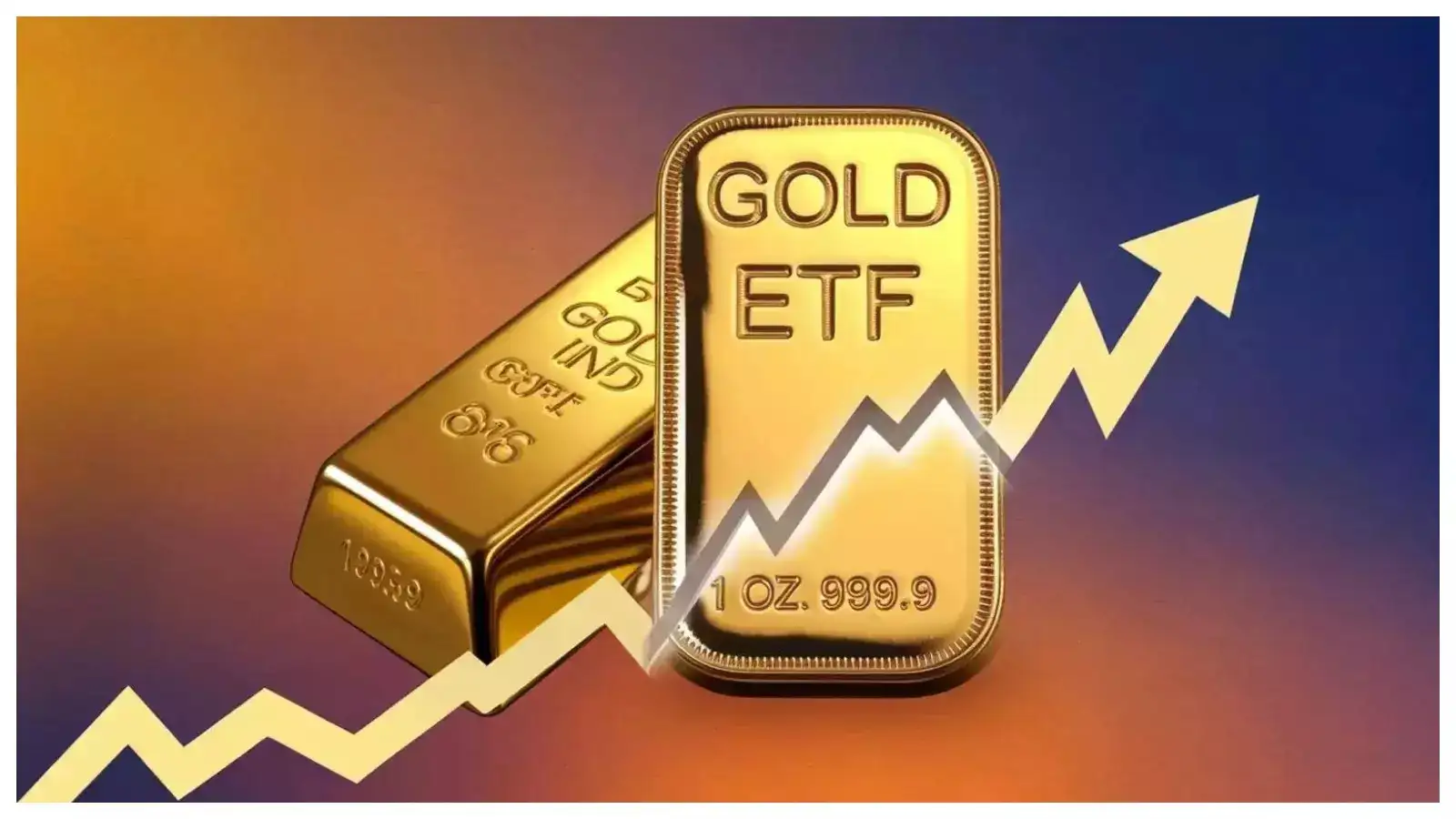
Gold and equity have been the two most prominent investment options for Indian households across generations. Gold represents safety, tradition, and a store of value that transcends market cycles. Equity represents growth — the potential to build wealth significantly over long investment horizons.
Today, both can be accessed efficiently through ETF investment — a format that combines the liquidity of stock trading with the benefits of diversified or commodity-linked exposure. Gold ETFs eliminate the need for physical gold storage, while equity ETFs provide instant diversification across indices or sectors.
Choosing between them — or finding the right balance — depends on your financial goals, investment horizon, and risk appetite. Here is how to think through that decision clearly.
Gold ETFs: What They Offer
A gold ETF tracks the price of 24-carat gold and trades on stock exchanges like any other security. When you buy one unit of a gold ETF, you hold the equivalent of approximately 1 gram of gold in electronic form.
The advantages are significant: no storage or insurance costs, 100% purity guaranteed, instant liquidity through stock exchange trading, and transparent pricing. You can buy as little as one unit (around ₹500–600 at current gold prices) making it accessible to investors of all sizes.
Equity ETFs: What They Offer
Equity ETFs track indices like Nifty 50, Sensex, Nifty Next 50, or sector-specific indices like banking, IT, or pharma. Buying an equity ETF gives you proportional exposure to all the constituents of that index in a single transaction.
This delivers instant diversification at very low cost. Expense ratios on index ETFs in India range from 0.05–0.20%, significantly lower than actively managed mutual funds. Long-term equity returns have historically outpaced gold returns over most rolling 10–15 year periods.
Gold vs Equity ETF: Head-to-Head Comparison
| Parameter | Gold ETF | Equity ETF |
|---|---|---|
| Return Potential | Moderate (capital preservation) | Higher (long-term wealth creation) |
| Risk Level | Lower; less correlated with equity | Moderate to High (market risk) |
| Inflation Hedge | Strong | Moderate (equity usually outpaces inflation long-term) |
| Liquidity | High (exchange traded) | High (exchange traded) |
| Tax on LTCG | 20% with indexation (>3 years) | 10% on gains above ₹1 lakh (>1 year) |
| Expense Ratio | 0.20–0.65% | 0.05–0.20% |
| Best For | Safety, portfolio diversification | Long-term wealth creation |
Understanding ETF Investment vs Direct Stock Investing
Before deciding between gold and equity, it helps to understand why ETF investment is often preferred over direct stock picking. The comparison between ETF vs stock investing highlights a few key structural advantages of ETFs.
With individual stocks, your portfolio is concentrated and vulnerable to single-company risks. With ETFs, you get built-in diversification that eliminates the risk of any one company significantly harming your portfolio. ETFs also require less active monitoring than individual stock portfolios.
How to Build a Portfolio Using Both
For most retail investors, the best answer is not gold or equity — it is a thoughtful allocation of both. A simple framework: investors with 5+ year horizons and moderate to high risk tolerance can allocate 70–80% to equity ETFs (Nifty 50 or broad market) and 10–20% to gold ETFs.
The gold allocation provides a natural hedge. When equity markets fall sharply, gold often holds value or rises. This dampens portfolio volatility without sacrificing long-term growth potential.
Explore the full range of etf investment options to find the right mix for your portfolio goals.
Factors That Should Guide Your Allocation
Investment horizon matters most. For goals 5–10+ years away, equity ETFs historically deliver superior returns. For near-term goals (1–3 years) where capital preservation is priority, gold ETFs or debt instruments are more appropriate.
Personal risk tolerance is equally important. If market volatility keeps you up at night, higher gold allocation provides psychological comfort alongside financial stability.
Wrapping Up
Gold and equity ETFs are not competing investments — they are complementary tools in a well-constructed portfolio. ETF investment in both categories gives you flexibility, liquidity, and diversification without the complexity of managing individual assets. Choose the balance that reflects your goals and risk tolerance, revisit the allocation periodically, and let the markets work for you over time. The most important decision is not between gold and equity — it is whether you start investing at all.












Leave a Reply