


Modern warfare depends on speed, precision, and coordination. One of the most vital elements ensuring battlefield success is the tactical air support squadron. These squadrons provide close air support, reconnaissance, and mission-critical assistance to ground troops. In short, they bridge the gap between air superiority and ground strategy, ensuring military operations run smoothly and effectively.
History and Evolution of Tactical Air Support
Tactical air support has its roots in World War I, when pilots first began assisting ground forces by spotting enemy positions. By World War II, air support squadrons were integral to major campaigns, delivering close air strikes and protecting advancing forces.
-
Vietnam War: Air support evolved into more precise operations, with aircraft like the A-1 Skyraider and A-37 Dragonfly playing key roles.
-
Cold War Era: Focus shifted toward rapid-response squadrons equipped with advanced fighter jets.
-
21st Century: Today, tactical air support includes drones, precision-guided munitions, and high-tech communication systems that coordinate seamlessly with troops on the ground.
Role of a Tactical Air Support Squadron in Modern Warfare
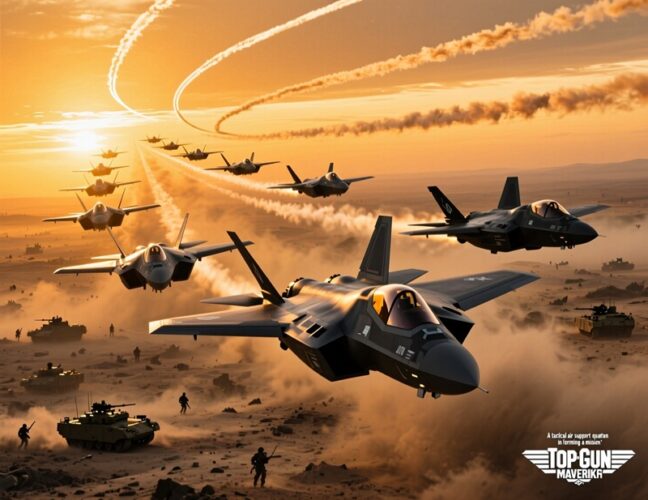
A tactical air support squadron performs multiple roles that ensure mission success:
Close Air Support (CAS) Missions
One of their primary responsibilities is close air support, where aircraft directly engage enemy targets threatening friendly ground forces. CAS missions often use specialized aircraft such as the A-10 Thunderbolt II, renowned for its ability to support troops under fire.
Reconnaissance and Intelligence Gathering
Modern squadrons also carry out aerial reconnaissance using surveillance aircraft and drones. This provides ground commanders with real-time intelligence, making tactical decisions faster and more accurate.
Escort and Protection
Air support squadrons also escort ground convoys, transport planes, or helicopters in dangerous zones, offering protection from enemy aircraft or missile threats.
Psychological Advantage
Beyond combat, the presence of air support boosts troop morale. Ground soldiers gain confidence knowing they have powerful aerial backup just minutes away.
Training and Technology Behind Tactical Air Support
Members of a tactical air support squadron undergo rigorous training, focusing on coordination with ground forces, precision strikes, and advanced aviation tactics.
-
Simulator Training: Pilots and operators practice complex combat scenarios in virtual environments.
-
Live-Fire Exercises: Real-world drills ensure readiness for battlefield conditions.
-
Communication Systems: Secure, real-time communication between pilots and ground commanders is essential.
-
Modern Technology:
-
Precision-guided weapons
-
Drones for reconnaissance and combat
-
AI-assisted targeting systems
-
Stealth aircraft for deep-strike missions
-
This combination of training and technology makes squadrons some of the most elite units in modern defense strategy.
Famous Examples and Case Studies
-
Operation Desert Storm (1991): Tactical squadrons played a vital role in weakening Iraqi defenses, giving ground troops a decisive advantage.
-
Afghanistan Operations: Close air support missions by U.S. and NATO squadrons often saved ground forces pinned down by enemy fire.
-
Ukraine Conflict (2022–Present): The importance of air support squadrons has re-emerged, with drones and fighter aircraft providing critical support in urban combat.
Future of Tactical Air Support Squadrons
The future looks high-tech and fast-paced. Some trends include:
-
Increased Drone Usage: Unmanned aerial vehicles (UAVs) will handle more reconnaissance and combat roles.
-
AI-Driven Operations: Artificial intelligence will assist in targeting and mission planning.
-
Hypersonic Aircraft: Faster jets capable of reaching conflict zones in minutes.
-
Joint Operations: Closer integration of air, land, sea, and cyber forces for seamless tactical support.
As technology evolves, tactical air support squadrons will continue to be at the heart of modern military success.
FAQs
Q1. What is a tactical air support squadron?
A unit of aircraft and personnel providing close air support, reconnaissance, and mission assistance to ground forces.
Q2. How do they differ from regular air force squadrons?
Regular squadrons focus on air superiority, while tactical support squadrons focus on directly assisting ground operations.
Q3. Which aircraft are commonly used in tactical air support?
A-10 Thunderbolt II, F-16 Fighting Falcon, and modern drones are commonly deployed.
Q4. Are drones replacing manned squadrons?
Not entirely. Drones complement manned aircraft, but human pilots are still essential in complex missions.
Q5. Why are they important in modern warfare?
They provide speed, precision, and real-time support to ground troops, making operations more effective and reducing casualties.
Conclusion
The tactical air support squadron is one of the most crucial components of modern military power. From World War II missions to AI-driven drones of the future, these squadrons ensure that ground troops have the aerial support they need to succeed. Their precision, adaptability, and technological edge make them indispensable in safeguarding national defense and ensuring victory in today’s complex battlefields.


