
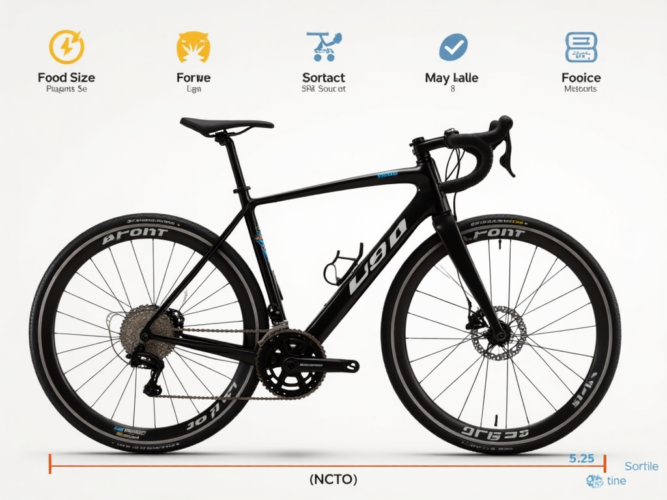

Ever hopped on a bike and felt like you were wrestling with an ill-fitting suit? Sore knees, numb hands, or back pain after a ride often trace back to one culprit: the wrong bike size. Choosing the right bike isn’t just about style or brand—it’s about you. In this guide, we’ll decode bike size charts, share pro tips for measuring, and help you avoid costly mistakes. Let’s pedal into the details!
Why Bike Size Matters ♀️
A well-fitted bike isn’t just comfortable—it’s efficient and safe. The wrong size can lead to:
- Strain injuries (hello, sore wrists and knees!).
- Reduced control on tricky terrain.
- Fatigue from overreaching or cramped posture.
Think of your bike as an extension of your body. When it fits, you’ll glide effortlessly. When it doesn’t, every mile feels like a marathon.
How to Use a Bike Size Chart
Bike size charts match your body measurements to frame sizes (usually in inches or centimeters). Here’s how to nail it:
Step 1: Measure Your Height and Inseam
- Height: Stand against a wall, mark the top of your head, and measure from the floor.
- Inseam: Place a book between your legs (spine facing up), measure from the floor to the book’s edge.
Pro Tip: Do this barefoot for accuracy!
Step 2: Match Measurements to the Chart
Most charts pair height with recommended frame sizes. For example:
Road Bike Size Chart
| Height (ft/in) | Frame Size (cm) |
|---|---|
| 5’0” – 5’3” | 47 – 50 cm |
| 5’4” – 5’7” | 51 – 54 cm |
| 5’8” – 5’11” | 55 – 58 cm |
Note: Brands vary—always check the manufacturer’s chart!
Must Read: Bicycle Stuff – Your Ultimate Guide to Gear, Maintenance, and Riding Tips
Bike Size Charts by Type
Road Bikes ♂️
Built for speed and distance. Prioritize a slightly stretched posture for aerodynamics.
Key Fit: Your leg should have a 25-35° bend when the pedal is down.
Mountain Bikes ️
Need maneuverability for trails. Opt for a smaller frame for better control.
Key Fit: Standover height (top tube clearance) should be 2-4 inches.
Hybrid/City Bikes ️
Balance comfort and efficiency. Upright handlebars reduce back strain.
Key Fit: Flat-footed when stopped for easy dismounts.
Kids’ Bikes
Focus on standover height—kids should touch the ground comfortably.
Age Guide:
- 12” wheels: 2–4 years
- 16” wheels: 4–6 years
- 20” wheels: 6–9 years
3 Common Bike Sizing Mistakes (And How to Avoid Them)
- Guessing Your Size
Fix: Use a chart and measure twice! - Ignoring Adjustments
Saddles, stems, and handlebars can tweak your fit. - Prioritizing Aesthetics
A sleek frame won’t matter if it’s agony to ride.
FAQs: Your Bike Sizing Questions Answered
Q: What if I’m between sizes?
A: Test both! Smaller frames offer control; larger ones suit long rides.
Q: Can I adjust a slightly wrong size?
A: Yes! Seat height, stem length, and handlebars help.
Q: How do kids’ bikes differ?
A: Prioritize standover height—they should straddle the bike comfortably.
Ready to Ride?
Now that you’ve mastered the bike size chart, it’s time to hit the road! Remember: a great fit means happier rides and fewer aches.
Need more help? Check out our Guide to Bike Accessories or How to Choose Your First Mountain Bike.
Got questions? Drop them below—we’re here to help!
Read Also: Pittsburgh Pirates vs Cincinnati Reds Match Player Stats


